

Close your eyes and picture it: a branded ice sculpture - logo carved right into the block - packed top to bottom with… cocktail shrimp. Hundreds of them. The shrimp cascades out the bottom onto a buffet platter, where guests are invited to reach in with tongs and make their selections.
The client called it a shrimp luge. 🦐
I had another word for it, but I kept that to myself.
This was a VIP reception. Somewhere in the planning process, my client had attended another event - I don’t know whose, I don’t know where - and seen this thing. This ice block full of shrimp, pouring into a tray below it. And she had fallen completely, irreversibly in love with it.
She brought it to us with the energy of someone who had found the answer. Not a “what do you think?” The excitement was palpable. Genuine. The kind of enthusiasm that makes you pause, because it doesn’t come from nowhere… she had been carrying this idea around for weeks, maybe months - waiting for the right event to finally deploy her shrimp luge.
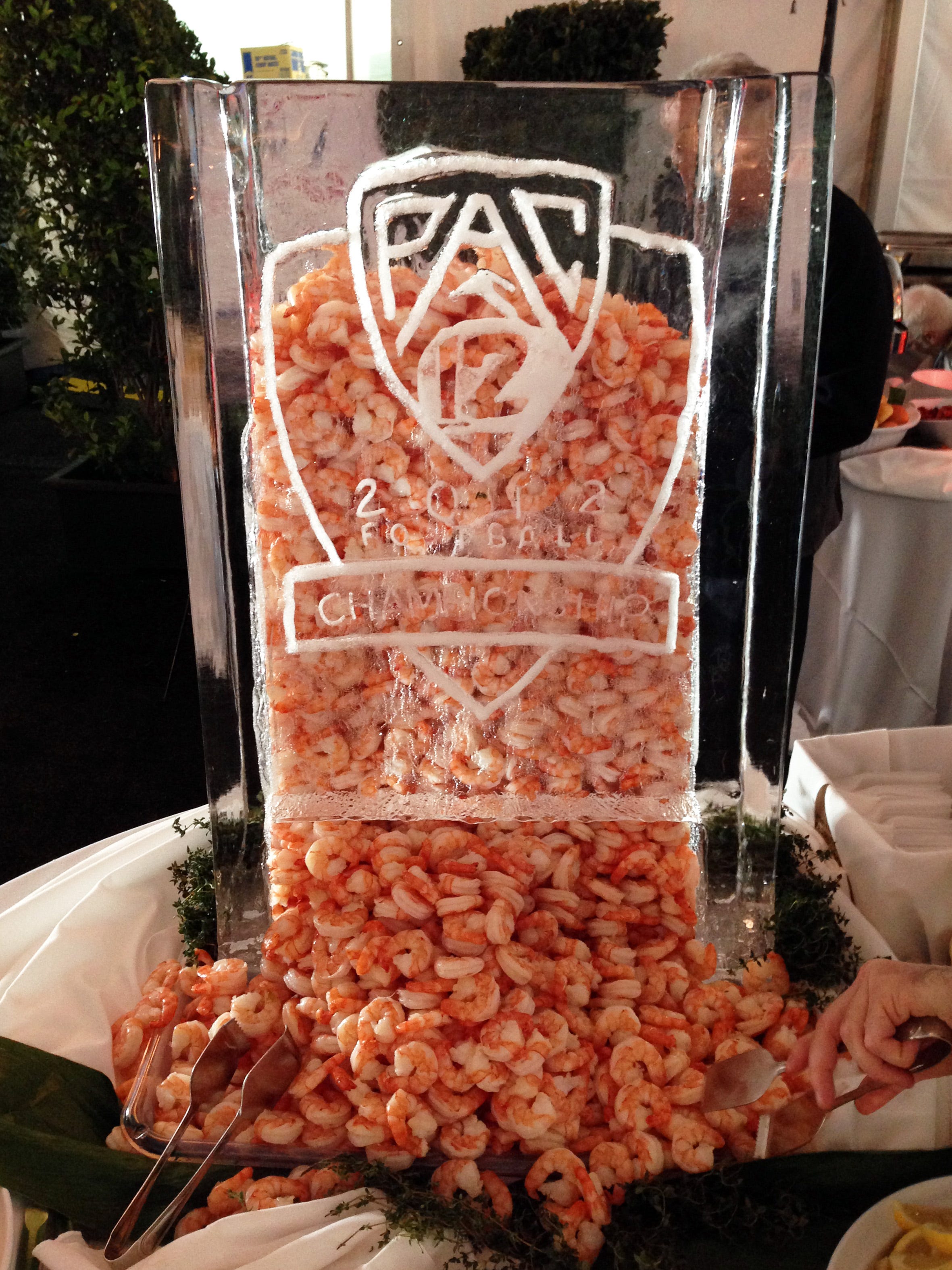
I quickly did the client service math - and the answer was not favorable.
Could we argue against it? Yes. Would we win? No. And more importantly… should we?
Here’s the thing about producing events for real humans: the brief is rarely just the brief. There’s a “brief-brief” - the deliverables, the logistics, the experience flow - and then there’s the emotional brief underneath it. The thing the client actually needs to feel when they walk into that room. Sometimes it’s confidence or pride. Sometimes it’s the relief of finally getting to use the shrimp luge idea they’ve been carrying around with you.
We could have pushed back. I have a whole library of pushbacks developed over the years - diplomatic ones, strategic ones, ones where I redirect by asking a question that makes the client feel like they reached the new conclusion themselves. I use them often. When the idea would embarrass the brand, confuse the guest, or undermine what we’d built.
But a shrimp luge?!
This was a pick-your-battles situation… and I knew it.
The night of the event, the luge appeared. I watched it the way you watch something you’ve been dreading - bracing for impact. Guests approached the buffet. They picked up tongs. They selected their shrimp. They walked away.
No gasps. No Instagram moments. No health inspector materializing out of the crowd. Just guests, shrimp, tongs, cocktail sauce. The branded ice block melted gradually behind them, the logo slowly disintegrating, and nobody seemed to register that anything unusual was happening.
The client was thrilled.
The display was never really for the guests… it was for her.
I’ve thought about it a lot since. Because there’s a version of this story where I fight harder, where I redirect her toward something cleaner, where we land on a more “elevated” seafood presentation (whatever that means), and I feel better about the aesthetic of the buffet. But she feels a little less seen, a little less heard. The event still happens, it’s still a success, and somewhere in the back of her mind is the idea she didn’t get to use. The shrimp luge that never was.
Is that better producing? I genuinely don’t know.
There’s a question I come back to often in my work: who is the experience for?
The easy answer is the guest. The guest is always the answer. Design for the guest, obsess over the guest, map every touchpoint to the guest’s emotional journey. I believe this, and I teach this. It’s right.
But events are also for the people who commission them. They carry weight too. They have visions - they have ideas they’ve been waiting to try, images they’ve saved, experiences that moved them and that they want to recreate for the people they care about. Our job is to translate that - to honor it, to elevate it, to protect them from the versions that would actually hurt them.
The shrimp luge didn’t hurt anybody (thankfully). The guests got cold shrimp. The client got her moment. The logo melted beautifully into a puddle by the end of the night.
I’ve pushed back on far less and been right. I’ve pushed back on far less and been wrong. The skill that took me years to develop isn’t knowing when an idea is bad. It’s knowing when bad is the wrong frame entirely.
Sometimes the idea isn’t bad. It’s just not yours.
— Rob